aiPublished on March 25, 20263 min read

Flexible AI Factories: The New Solution to Stabilise Global Power Grids

NVIDIA and partners demonstrate how AI factories can automatically adjust energy consumption during demand peaks, offering stability to power grids.

IAInteligência ArtificialNVIDIAEnergiaSustentabilidadeInfraestruturaAutomaçãoGrid ElétricaEficiência Energética
Flexible AI Factories: The New Solution to Stabilise Global Power Grids
Bitclever AI Research
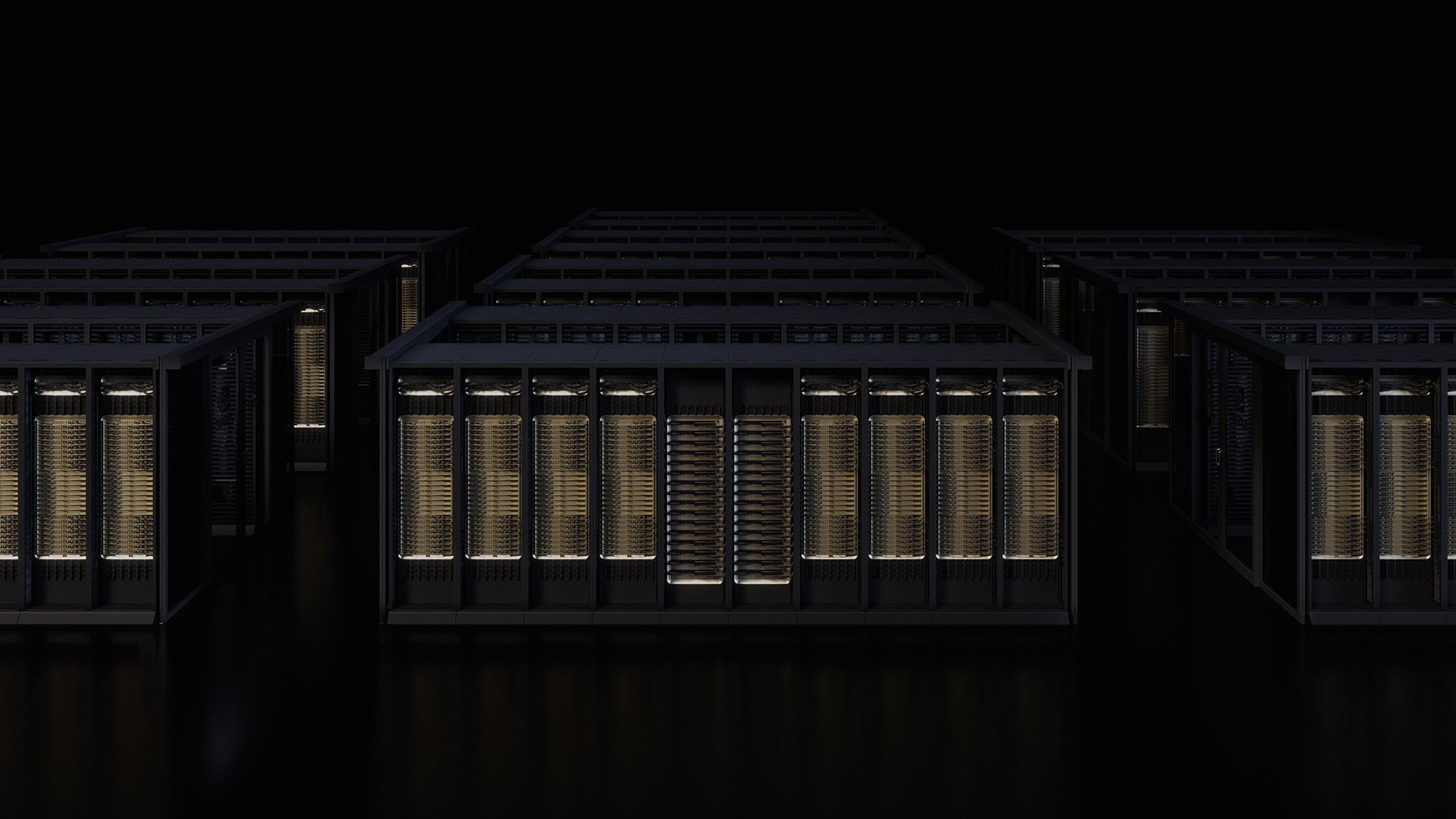
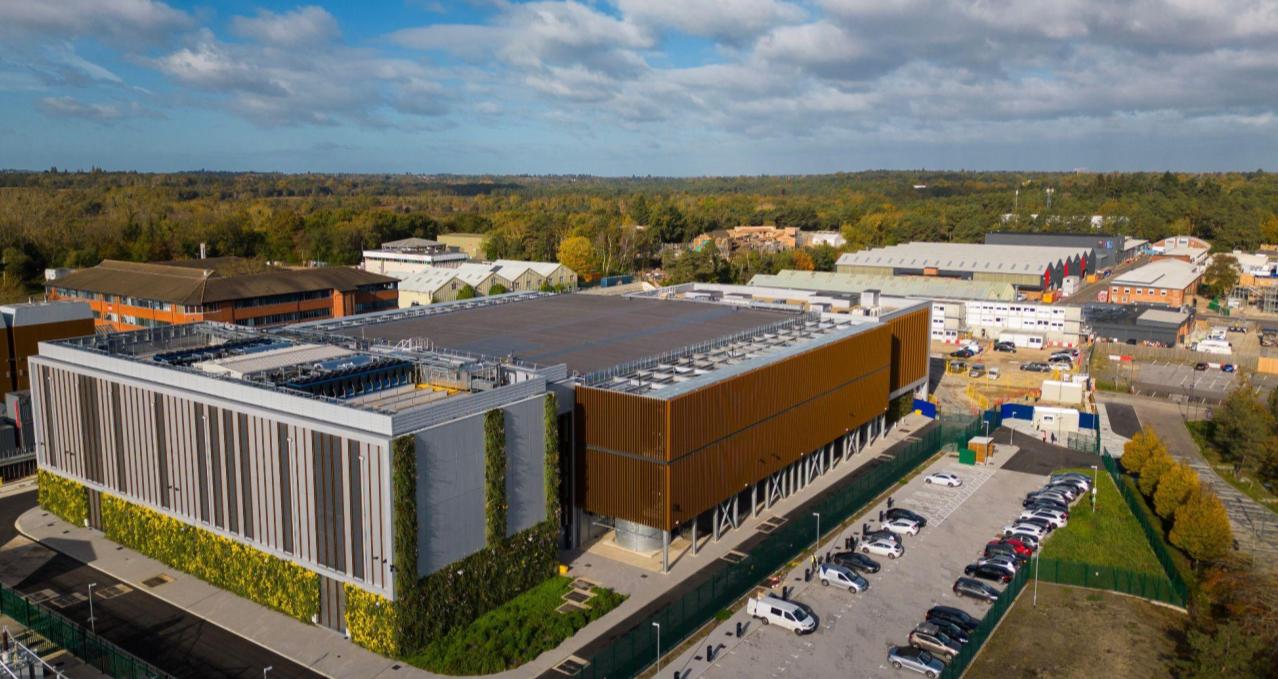
Author: Bitclever AI Research ## Executive Summary A collaboration between NVIDIA, Emerald AI, EPRI, National Grid and Nebius has demonstrated how "flexible AI factories" can autonomously adjust their energy consumption during peak demand periods on the power grid. This innovation promises to accelerate grid connections for AI infrastructure and reduce energy costs for consumers. ## What Happened During the half-time break of the England-Germany match at EURO 2020, millions of British viewers created a 1-gigawatt energy demand spike by simultaneously switching on their kettles to make tea. This phenomenon, known as "TV pickup", illustrates the challenges grid operators face in managing demand peaks. In a recent study documented in a white paper, Emerald AI, in collaboration with NVIDIA, EPRI, National Grid and Nebius, demonstrated how AI factories can function as "flexible" grid customers. Tests were conducted at an AI factory in London, equipped with 96 NVIDIA Blackwell Ultra GPUs connected through the NVIDIA Quantum-X800 InfiniBand platform. During simulations, when National Grid sent grid stress signals — simulating scenarios such as thunderstorms or prolonged periods of low wind power generation — the AI factory automatically adjusted its energy consumption through the Emerald AI Conductor platform, including re-enacting the actual Euro 2020 energy spike. ## Why This Matters This development comes at a critical moment for global energy infrastructure. AI factories represent large energy consumers that traditionally require constant and predictable supply. The ability for these facilities to operate flexibly represents a paradigmatic shift in energy resource management. The energy flexibility of AI factories can solve two fundamental problems: accelerate grid connections without waiting for infrastructure upgrades that can take years, and limit the need for grid expansion by reducing the peak loads the system needs to serve. This is particularly relevant when we consider that the exponential growth of AI is creating unprecedented pressure on global power grids. ## Business Impact For companies operating or planning to implement AI-intensive infrastructure, this technology offers significant competitive advantages: **Faster grid access**: Organisations can obtain power grid connections more quickly, avoiding the long waiting periods traditionally associated with large industrial facilities. **Energy cost optimisation**: The ability to adjust consumption during demand peaks can result in more favourable energy tariffs and potential revenue through demand response programmes. **Corporate sustainability**: Energy flexibility enables better integration with intermittent renewable energy sources, contributing to sustainability objectives. **Operational advantage**: Companies implementing these solutions can position themselves as preferred partners for grid operators, obtaining more favourable conditions for future expansions. ## Bitclever Perspective At Bitclever, we recognise that intelligent energy resource management represents a strategic opportunity for organisations operating computationally intensive infrastructure. Our experience in business process automation and AI solution implementation positions us to help Portuguese companies navigate this transformation. We can support organisations in assessing their energy needs, developing energy flexibility strategies, and implementing monitoring and control systems that enable automated energy consumption management. Integrating these capabilities with low-code platforms like OutSystems allows the creation of customised dashboards and control systems that adapt to each organisation's specificities. Moreover, our automation expertise can extend these principles to other aspects of business operations, creating truly adaptive technological ecosystems that respond dynamically to operational conditions. ## Conclusion Flexible AI factories represent a natural evolution of modern technological infrastructure, where energy efficiency and environmental responsibility align with tangible operational advantages. As this technology matures, we expect to see broader adoption that will fundamentally transform the relationship between large industrial consumers and power grids. For visionary companies, investing in these capabilities today can translate into substantial competitive advantage in the future energy landscape.