aiPublished on March 31, 20263 min read

NVIDIA and Energy Leaders Transform AI Factories into Smart Grid Assets

New collaboration between NVIDIA and Emerald AI proposes treating AI data centres as flexible grid resources, optimising energy efficiency and system reliability.

IANVIDIAinfraestruturaenergiasustentabilidadedata centersrede elétricaeficiência energéticatecnologia empresarial
NVIDIA and Energy Leaders Transform AI Factories into Smart Grid Assets
Bitclever AI Research
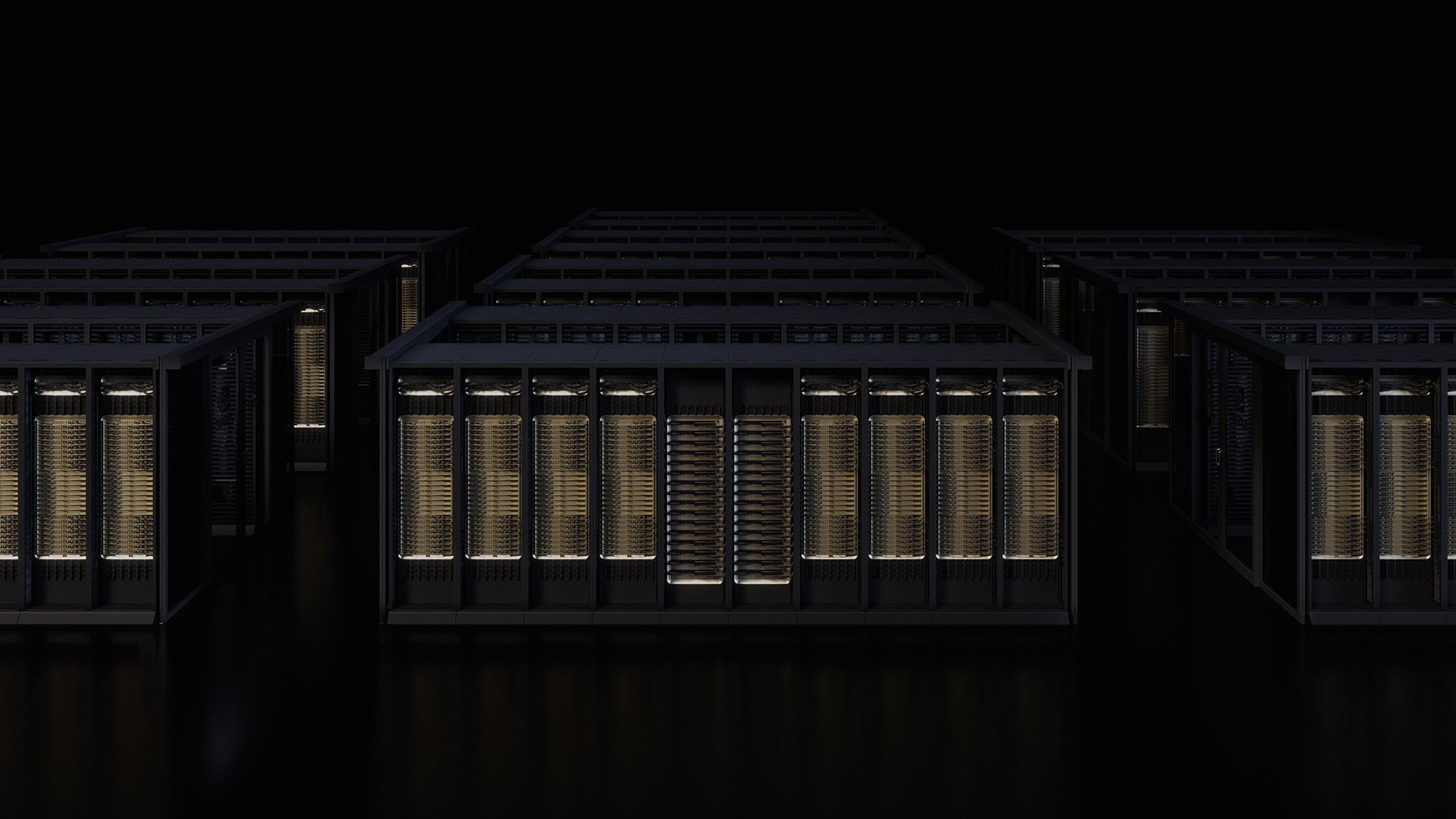
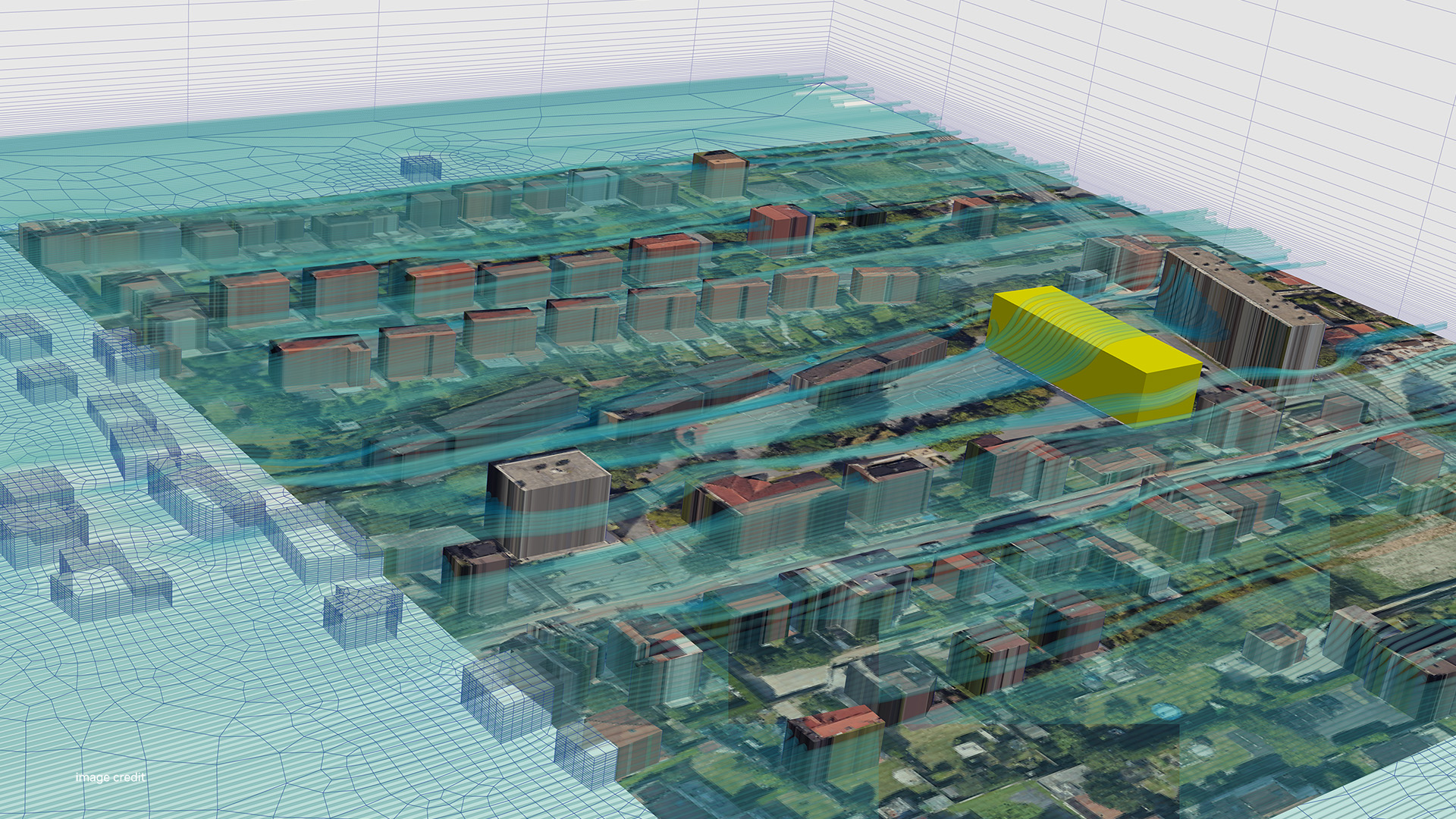
Author: Bitclever AI Research ## Executive Summary NVIDIA and Emerald AI presented at CERAWeek a revolutionary approach to AI infrastructure, treating "AI factories" as flexible and intelligent grid assets rather than static energy loads. This collaboration integrates accelerated computing, reference architectures and real-time energy orchestration, promising to accelerate AI deployments and strengthen grid reliability. ## What Happened During CERAWeek — considered the "Davos of energy" — NVIDIA and Emerald AI revealed a new methodology for AI infrastructure based on the NVIDIA Vera Rubin DSX AI Factory reference design and Emerald AI's Conductor platform. This architecture unifies computing, power networks and control in a single solution. Major energy companies including AES, Constellation, Invenergy, NextEra Energy, Nscale Energy & Power and Vistra committed to collaborate on developing this new approach. The goal is to create optimised generation strategies that support AI factories capable of responding dynamically to grid conditions, flexing consumption as needed and reducing the need to oversize infrastructure for demand peaks. ## Why This Matters This initiative represents a crucial milestone in the evolution of technological infrastructure, especially considering the exponential growth in energy demand from AI systems. The traditional approach of treating data centres as static loads is becoming unsustainable given the dramatic increase in artificial intelligence computational needs. The "five layers of AI" concept proposed by NVIDIA CEO Jensen Huang places energy as a fundamental layer, underlining the critical importance of efficient energy management. This new paradigm enables AI factories to generate high-value tokens whilst actively contributing to grid stability, transforming them from passive consumers into active participants in the energy ecosystem. ## Business Impact For organisations planning large-scale AI deployments, this approach offers several significant competitive advantages: **Operational Cost Reduction**: The ability to dynamically adjust energy consumption enables cost optimisation during tariff peaks and taking advantage of lower rates. **Accelerated Time-to-Market**: Hybrid projects with co-located energy can significantly accelerate the time required for energy access, reducing delays in AI solution deployment. **Corporate Sustainability**: Intelligent integration with the grid contributes to corporate sustainability goals, enabling more efficient use of energy resources. **Operational Reliability**: Intelligent control and operational flexibility increase AI operations resilience, reducing risks of interruptions related to grid instabilities. ## Bitclever Perspective At Bitclever, we recognise that this evolution of AI infrastructure represents a transformative opportunity for Portuguese companies seeking to implement artificial intelligence solutions sustainably and efficiently. Our experience in technology consulting enables us to help organisations navigate this transition, from assessing specific energy needs to designing AI architectures that incorporate energy flexibility principles. We can support technical and economic feasibility analysis of implementations that take advantage of this new approach, especially in sectors with high computational needs. Furthermore, our expertise in business automation and low-code can complement these intelligent infrastructures, developing monitoring and control systems that automatically optimise energy consumption based on predictive algorithms and real-time grid conditions. ## Conclusion The transformation of AI factories into intelligent grid assets marks a new era in technological infrastructure management. This approach not only solves critical scalability and sustainability challenges but also creates new value opportunities for companies that strategically adopt these technologies. As demand for AI solutions continues to grow, organisations that integrate energy considerations into their technology strategies will be better positioned to compete in the digital future.