aiPublished on July 27, 20265 min read

NVIDIA Vera CPU Accelerates Next-Generation Chip Design

NVIDIA is using its Vera CPU to optimize EDA workflows in collaboration with Cadence and Synopsys, accelerating the design of future CPUs and GPUs.

NVIDIAVera CPUEDADesign de ChipsSemicondutoresCadenceSynopsysInteligência ArtificialInovação Tecnológica
NVIDIA Vera CPU Accelerates Next-Generation Chip Design
Bitclever AI Research
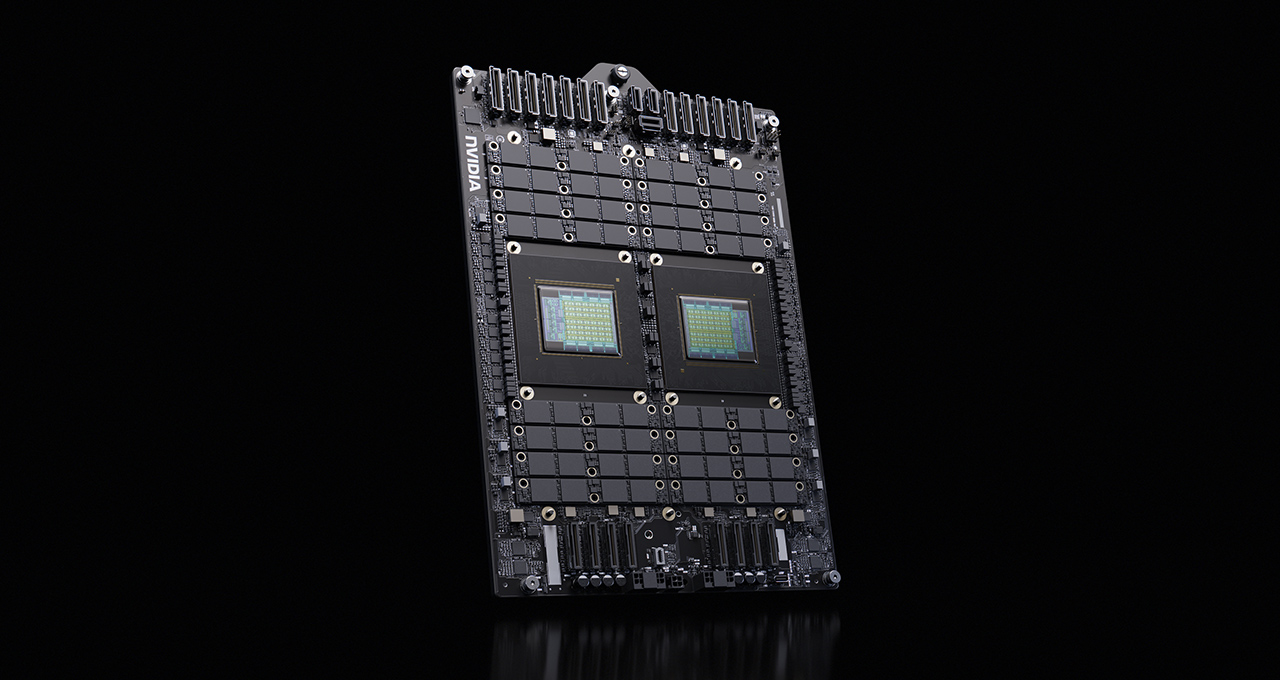
Author: Bitclever AI Research ## Executive Summary NVIDIA has announced the deployment of its new Vera CPU in critical Electronic Design Automation (EDA) workflows, in collaboration with industry leaders Cadence and Synopsys. This initiative aims to accelerate simulation, formal verification, and digital implementation processes that are fundamental to developing the next generations of CPUs and GPUs, including NVIDIA's own. ## What Happened NVIDIA is collaborating with Cadence and Synopsys, two of the world's leading EDA tool providers, to optimize critical chip design applications for the new Vera CPU. According to NVIDIA's official announcement, this architecture is already being deployed internally in the EDA workflows used to develop the company's own next-generation CPUs and GPUs. The core goal of this initiative is to accelerate workloads that, despite significant advances brought by GPUs and artificial intelligence to chip design, remain heavily dependent on CPU performance. Processes such as logic simulation, formal verification, and parts of digital implementation demand fast individual cores, efficient memory systems, and high overall throughput — characteristics where the Vera CPU aims to stand out. According to NVIDIA, this move demonstrates how a high-performance CPU architecture can help accelerate some of the industry's most demanding engineering workloads, at a time when the complexity of modern chip design continues to increase sharply. ## Why This Matters Semiconductor development is a long and meticulous process. Before a chip reaches the manufacturing stage, engineering teams spend years validating behaviors, identifying corner cases, and refining designs through thousands of iterations. This cycle of simulation, verification, and implementation is central to ensuring chips function correctly and meet the performance and reliability requirements demanded by the market. While GPUs and AI have revolutionized several stages of chip design, critical workloads such as logic simulation and formal verification remain heavily dependent on high-performance CPUs. This means CPU architecture continues to be a determining factor in how quickly engineering teams can validate designs, explore architectural alternatives, and move products toward tapeout (the final stage before manufacturing). In this context, NVIDIA's bet on Vera to accelerate these specific workflows emerges as a direct response to one of the semiconductor industry's main bottlenecks: the time required to validate and iterate increasingly complex designs, in a scenario where demand for more powerful and efficient chips — driven mainly by AI — keeps growing. ## Business Impact Although this news originates from the semiconductor design ecosystem, its implications extend across several business sectors: - **Semiconductor manufacturers and chip design companies**: Adopting CPU architectures optimized for EDA can translate into shorter development cycles, enabling faster time-to-market and reducing the risk of costly errors detected late in the process. - **Companies that depend on cutting-edge hardware**: Sectors such as automotive, telecommunications, data centers, and AI indirectly benefit from a more efficient chip design ecosystem, which can accelerate the availability of more powerful CPUs and GPUs for their own infrastructures. - **EDA software vendors and technology partners**: The collaboration between NVIDIA, Cadence, and Synopsys reinforces the trend of vertical optimization between hardware and software, a model other technology companies may want to replicate in their own value chains. - **Engineering and R&D teams**: The demonstration that dedicated CPU architectures can accelerate specific workloads reinforces the importance of carefully evaluating the computing infrastructure used in simulation and verification processes, regardless of sector. For organizations managing compute-intensive infrastructures, this case reinforces a cross-cutting lesson: choosing the right hardware architecture for each type of workload can have a direct and measurable impact on development speed and competitiveness. ## Bitclever Perspective At Bitclever, we closely follow the evolution of the hardware and software ecosystem that underpins the next generation of AI and business automation solutions. Cases like this, where NVIDIA optimizes specific CPU architectures to accelerate critical workloads, illustrate a principle we regularly apply when advising our clients: the right technology infrastructure, aligned with each organization's specific workloads, can generate significant efficiency gains. While most companies are not directly involved in semiconductor design, the underlying principles of this news are relevant to any automation, AI, or Low-Code project: understanding where the real performance bottlenecks lie, choosing the right architecture and tools for each task, and continuously optimizing critical business processes. Bitclever helps organizations evaluate their technology infrastructures and development workflows, identifying optimization opportunities — whether through intelligent automation with RPA, implementing Low-Code solutions on platforms such as OutSystems and Appian, or integrating AI capabilities that accelerate internal processes in a manner similar to what NVIDIA demonstrates within its own chip design ecosystem. ## Conclusion NVIDIA's deployment of the Vera CPU in critical EDA workflows, in partnership with Cadence and Synopsys, reinforces a clear trend in the technology industry: vertical optimization between hardware and specialized software is increasingly decisive for accelerating complex development cycles. For companies across all sectors, the underlying message is clear — investing in the right technology architecture for each specific workload is not just a matter of performance, but a strategic factor for competitiveness in today's market.