aiPublished on March 26, 20263 min read

The Future of AI: Open and Proprietary Models Coexist in the New Era of Artificial Intelligence

NVIDIA's Jensen Huang argues that the future of AI is not a choice between open or proprietary models, but rather the complementary coexistence of both ecosystems.

inteligencia-artificialmodelos-ainvidiaopen-sourceia-empresarialtransformacao-digital
The Future of AI: Open and Proprietary Models Coexist in the New Era of Artificial Intelligence
Bitclever AI Research
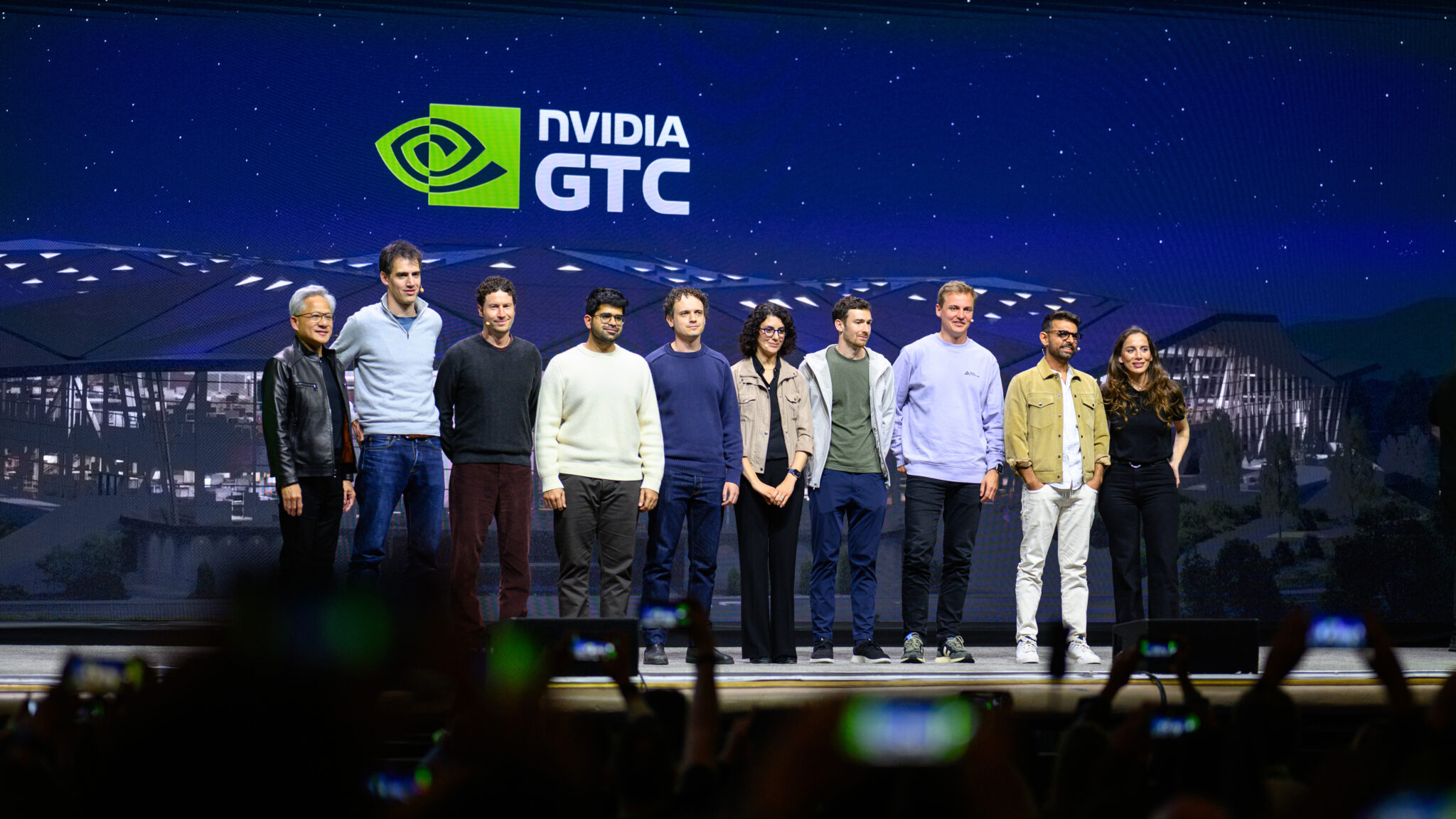
Author: Bitclever AI Research ## Executive Summary Artificial intelligence is defining our time as a fundamental technology, rapidly evolving to become essential business infrastructure. According to Jensen Huang, CEO of NVIDIA, the future of AI will not be determined by a choice between open or proprietary models, but by the complementary coexistence of both ecosystems. ## What Happened During a special session on open frontier models at NVIDIA GTC, Jensen Huang presented a disruptive perspective on AI development. Contrary to the traditional debate between open versus proprietary models, Huang stated that "proprietary versus open is not a question. It's proprietary *and* open". NVIDIA positions itself as one of the main contributors to open source AI, powering a diverse ecosystem that includes large and small models, generalist and specialised. This hybrid approach reflects the reality that different industries - healthcare, finance, manufacturing - face unique challenges that require AI solutions adapted to their specificities. ## Why This Matters This perspective represents a fundamental shift in enterprise AI development strategy. Instead of betting on a single massive model, the trend points towards specialised model systems that work together to solve specific business problems. Each industrial sector requires AI capable of reasoning about their data and workflows in particular ways. This reality demands different modalities, domains and organisations, creating an ecosystem where open and proprietary models complement each other to maximise solution effectiveness. Model diversity is essential for a future where every application will be powered by AI, every country will develop its capabilities and every company will use these technologies as an integral part of their operation. ## Business Impact For Portuguese companies, this hybrid approach offers significant technological optimisation opportunities. Organisations can now: - **Combine specialised models** to create solutions adapted to their specific needs - **Reduce operational costs** through strategic use of open models for standardised tasks - **Maintain control over sensitive data** using proprietary models for critical processes - **Accelerate innovation** by leveraging contributions from the open source community - **Customise solutions** for different departments and business processes This strategy allows companies to build AI architectures that are more resilient, efficient and adaptable to their operational realities, without being limited to a single technological approach. ## Bitclever Perspective At Bitclever, we recognise that this evolution towards hybrid AI ecosystems represents a strategic opportunity for Portuguese companies. Our experience in enterprise AI implementations confirms that the most effective solutions combine different types of models according to the specific needs of each process. Our consultative approach focuses on helping organisations to: - Identify which processes benefit from open versus proprietary models - Develop AI architectures that harmoniously integrate different types of models - Implement automation strategies that leverage the advantages of each ecosystem - Ensure security and compliance in hybrid AI environments The combination of our expertise in RPA, Low-Code and AI allows us to design solutions that maximise the potential of this new era of technological coexistence, always aligned with each client's strategic and operational objectives. ## Conclusion The future of enterprise AI will be characterised by complementarity between open and proprietary models, not by the supremacy of one over the other. This reality offers Portuguese companies a unique opportunity to build AI solutions that are more robust, efficient and adapted to their specific needs. Success will lie in the ability to strategically navigate between these two ecosystems, leveraging the best of each to create sustainable competitive advantages.